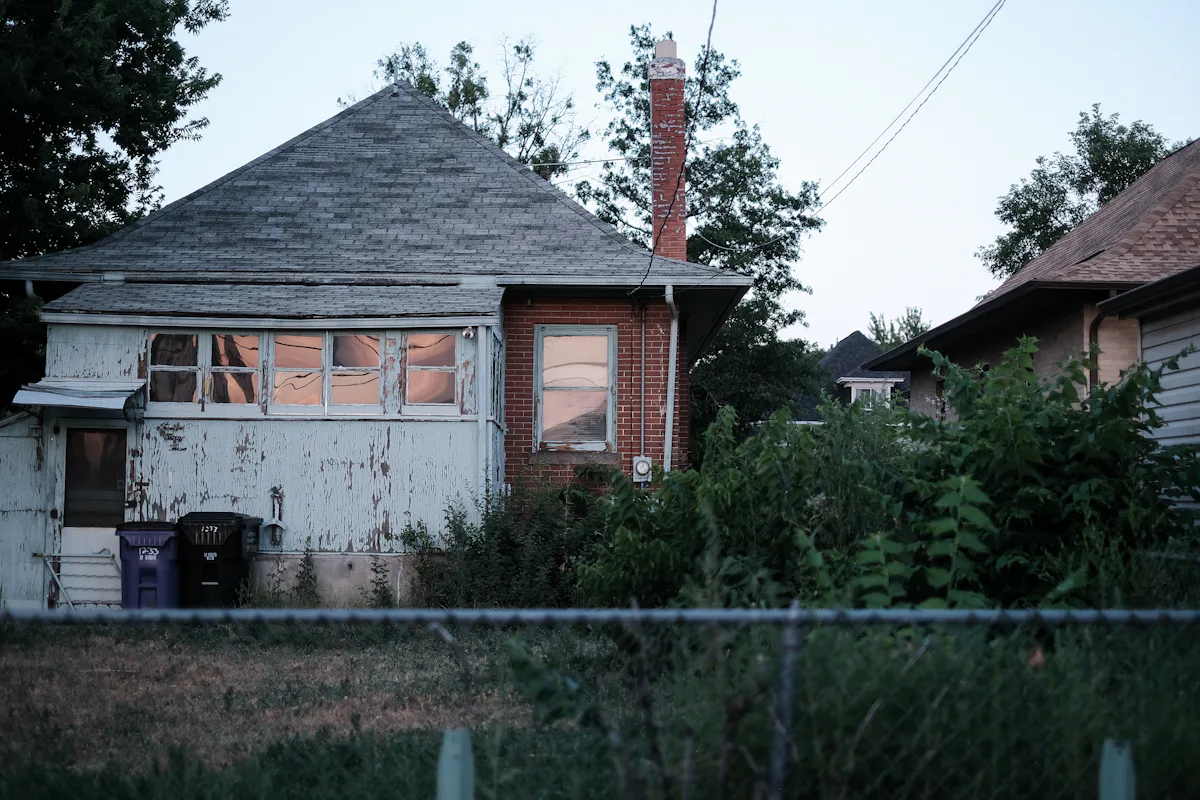
A detached ADU is a self-contained home built as its own structure on your lot. In Denver it is allowed in every zone district that allows new single-unit homes, as of October 2026, and it is usually the most expensive ADU type because the foundation, framing and roof are all new.
Where can a detached ADU go in Denver?
As of October 2026, Denver's ADU permit guidance says ADUs are allowed in all zone districts that allow new single-unit dwellings. The Denver Zoning Code then sets the height, size and placement of the unit for your specific zone district. A property survey is needed only when construction comes within 3 feet of a property line.
How tall can a detached ADU be?
It depends on your neighborhood context. Denver's 2023 ADU amendments, passed by City Council on June 5, 2023 and effective July 5, 2023, let ADUs in urban neighborhoods reach two stories, up from the earlier 1.5-story limit, and let dormers extend past the bulk plane. In suburban neighborhoods, ADUs are generally one story. We confirm the exact limit for your zone district before drawing anything.
Can the ADU have its own driveway?
Usually not. As of October 2026, Denver says an ADU cannot be reached by a separate driveway from the one serving the main home, unless the new access comes from an alley. Many older Denver blocks have alleys, which makes a rear, alley-facing ADU a common layout.
Do I need to live on the property?
At the permit stage, often yes. In single-unit zone districts, Denver requires the owner to live in the main house when applying for ADU permits, unless the house and ADU are built at the same time. Colorado law allows this kind of check at the time of filing. See the owner-occupancy guide.
What does a detached ADU cost in Denver?
One national guide (Block Renovation, 2026) lists Denver detached ADUs at about $230,000 to $310,000. Sewer and water connections, electrical service, tree protection and access for equipment can push a specific project outside that range. See the Denver cost guide.
What changes the design on a Denver lot?
- Neighborhood context. Urban versus suburban context sets story limits and placement.
- Alley or no alley. Alley lots give a second access point; others route everything past the house.
- Historic district. A landmark district needs a certificate of appropriateness, which Denver suggests getting before building and zoning permits.
- Trees. Trees in the public right-of-way or protected trees bring the City Forester into the review.
- Parkways. Lots on a designated parkway can need an exception request if the work encroaches on the parkway setback.