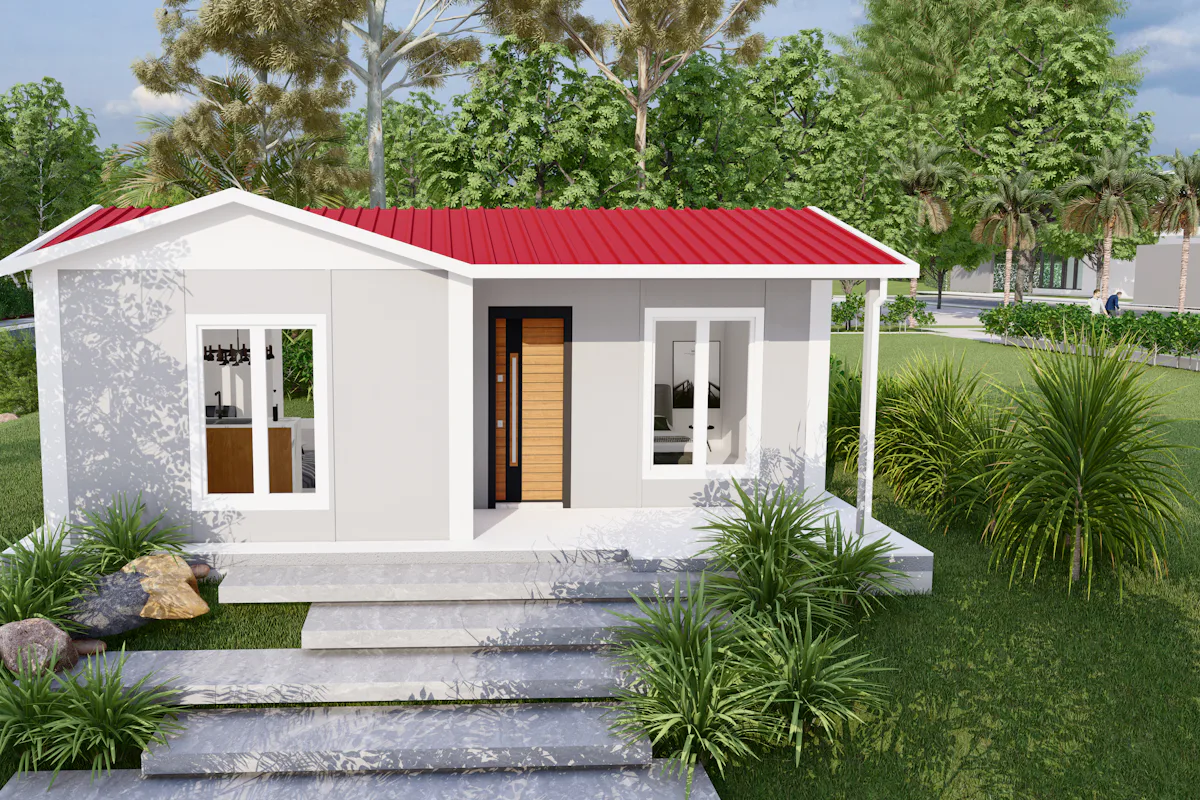
An attached ADU is a complete dwelling joined to your house, with its own entrance, kitchen and bathroom. Denver allows one attached or detached ADU per single-unit home, as of October 2026, and the zone district on your lot sets its setbacks, height and coverage.
How close to the property line can it be?
Under Colorado's HB24-1152, as of October 2026, a subject city such as Denver cannot require side setbacks for an ADU that are larger than those for the house. It also cannot require rear setbacks larger than the greater of the accessory-building rear setback or 5 feet. Front setbacks follow the zone district.
How big can it be?
The state law requires subject jurisdictions to allow ADUs between 500 and 750 sq ft, and lets them cap an ADU at the size of the main home. Within that frame, Denver's zoning code sets the floor area for your lot. We measure the house and the lot before deciding on a footprint.
What makes an attached ADU tricky?
- Fire separation. The shared wall needs a rated assembly between the two homes.
- Sound. Insulated walls and floors keep the units from hearing each other.
- Roof tie-in. The new roof has to shed snow and water cleanly where it meets the old one.
- Utilities. Denver Water may require a new license for the ADU's water service, with possible extra fees.
What does it cost?
No reliable Denver-only range turned up in our research. Block Renovation's 2026 national figures put attached ADUs and additions at about $100,000 to $250,000. See the Denver cost guide for the wider picture.
Is attached or detached better?
It depends on the yard. Attaching keeps the backyard open and shortens utility runs; detaching gives more privacy and avoids opening up the existing house. On narrow Denver lots, the setbacks often make the decision for you.